





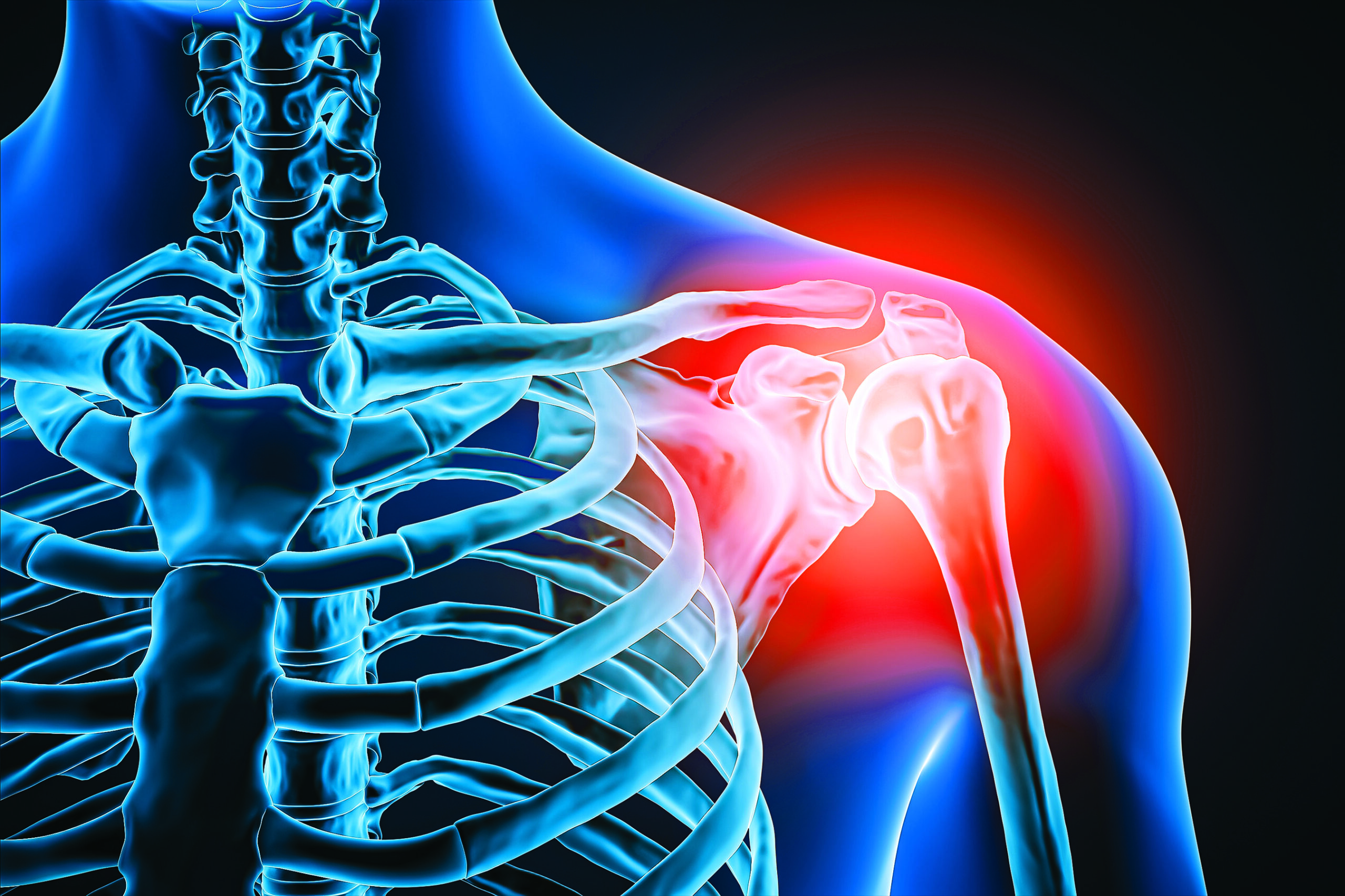
Moving Beyond Daily NSAIDs Toward True Cellular Restoration
By QC Kinetix of West Columbia
In modern medicine, an alarming normalization has taken root: the daily, indefinite reliance on non-steroidal anti-inflammatory drugs (NSAIDs) just to get through a basic routine. Many patients dealing with chronic musculoskeletal and spinal conditions feel trapped in this cycle, unable to function without their daily dose. However, a critical physiological truth remains unaddressed: pain pills don’t heal—your blood does.
NSAIDs were fundamentally engineered to manage acute inflammation, short-term flares, and immediate post-procedure trauma. They were never intended as a long-term, permanent endpoint. When we permit chronic daily consumption, the medical approach quietly shifts from treating an active underlying pathology to managing an artificial dependence on continuous pain suppression. The risks of this chronic drift are profound and far from theoretical: cumulative, silent gastrointestinal damage culminating in sudden bleeds; severely reduced renal perfusion accelerating chronic kidney disease, especially in diabetic patients or those taking diuretics and ACE inhibitors; and heightened cardiovascular threats that amplify existing vulnerabilities.
The Mathematical Multiverse of Pain
Pain is not a simple, isolated switch that can be turned off indefinitely without systemic consequences. It is the conscious endpoint of a multi-layered physiological system that has already spent months, or even years, negotiating cellular failure. Long before pain translates into physical sensation, local tissue biochemistry has radically altered. Glutamate spikes to increase neural excitability, Substance P amplifies nociceptive transmission, norepinephrine shifts vascular tone, cortisol rewires immune behavior, and cellular mitochondria shift from energy efficiency to heat and metabolic dissipation.
To understand why traditional symptom suppression continuously fails, we must view chronic pain through its cumulative biological formula:
Pain = f(N + A + V + M + I)
Where:
- N = Neural Sensitization
- A = Autonomic Load
- V = Vascular Instability
- M = Metabolic Inefficiency
- I = Inflammatory Signaling
If each of these independent physiological layers contributes 20% to a patient’s clinical presentation, targeting just one layer, such as dampening inflammatory signaling with an NSAID, leaves 80% of the underlying breakdown completely unresolved. Chronic pain cannot be solved simply by naming it or masking a single variable. It is solved by systematically decomposing the process and intercepting the invisible physiological drift before permanent degeneration takes hold.
The Future of Healing: Biologic Restorative Therapy
The body does not ask for a chemical label or a temporary blocker; it requires an active intervention to reverse cellular failure. This is where Platelet-Rich Plasma (PRP) therapy and advanced regenerative medicine change the treatment paradigm. Instead of introducing foreign synthetic compounds that strain organs, PRP isolates the natural growth factors, signaling molecules, and restorative cytokines natively present within your own blood.
When concentrated and precisely introduced to damaged joints, tendons, or spinal segments, PRP targets the actual root causes of pain rather than just its outward symptoms:
- No Surgery Required: Avoids the prolonged downtime, scarring, and risks associated with invasive structural procedures.
- Accelerated Recovery: Restores functional integrity to the tissues, allowing patients to get back to life faster.
- Autologous Healing: Utilizes your body’s personalized biology to reset local metabolic and inflammatory signaling safely.
With the economic cost of pain in the United States estimated between $560 billion and $635 billion annually, the future of pain medicine cannot rely on more aggressive symptom suppression. The solution lies in early measurement, precise decomposition of the pain process, and the deployment of targeted biological therapies that empower the body to heal itself from within.